What would an anarchist federation society actually look like in practice? Well for a start it would look far more organised than its critics usually imagine, and far less like chaos that the present order actually is.
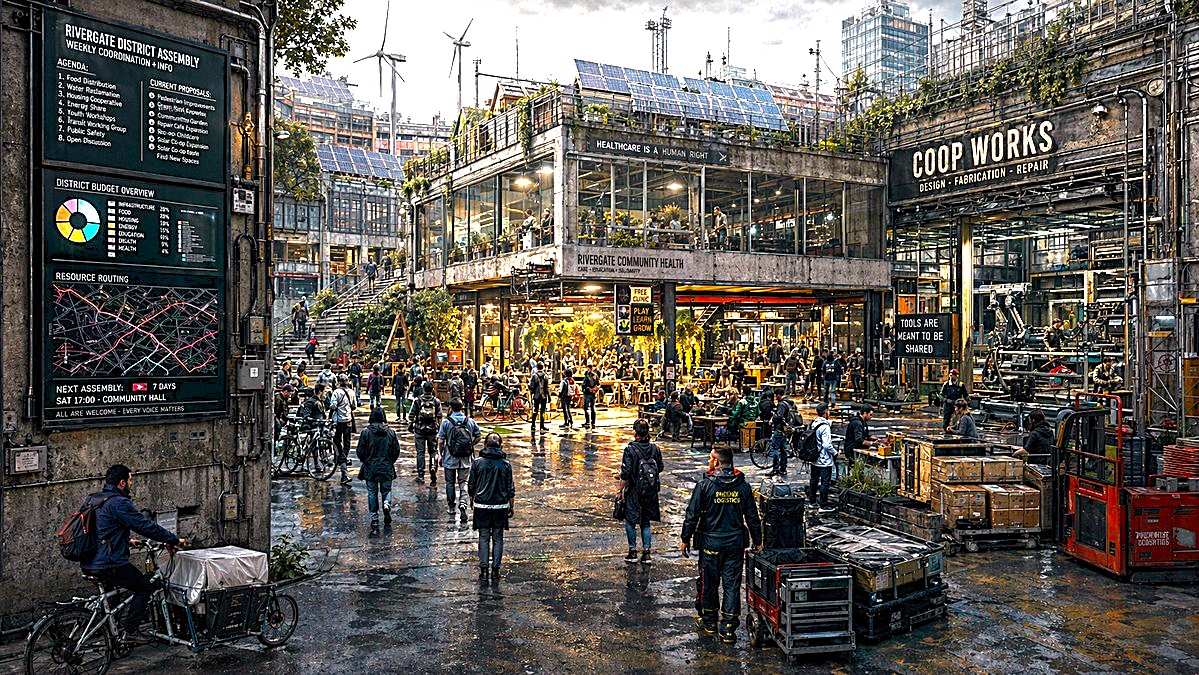
Its basic structure would begin from the principle that coordination should arise from below, from people where they actually live and work, rather than being imposed from a distant centre. Local assemblies, workplace councils, tenant unions, cooperatives, care networks, and voluntary associations would form the living substance of society. These would not be symbolic forums with no real power, they would be the places where decisions are made, resources are allocated, disputes are addressed, and priorities are debated.
Wider levels of coordination, regional, interregional, even international, would still exist, but they would exist as federations of these bodies, built through delegation rather than rule. Delegates would carry specific mandates, remain recallable, and function as messengers and coordinators rather than a political class.
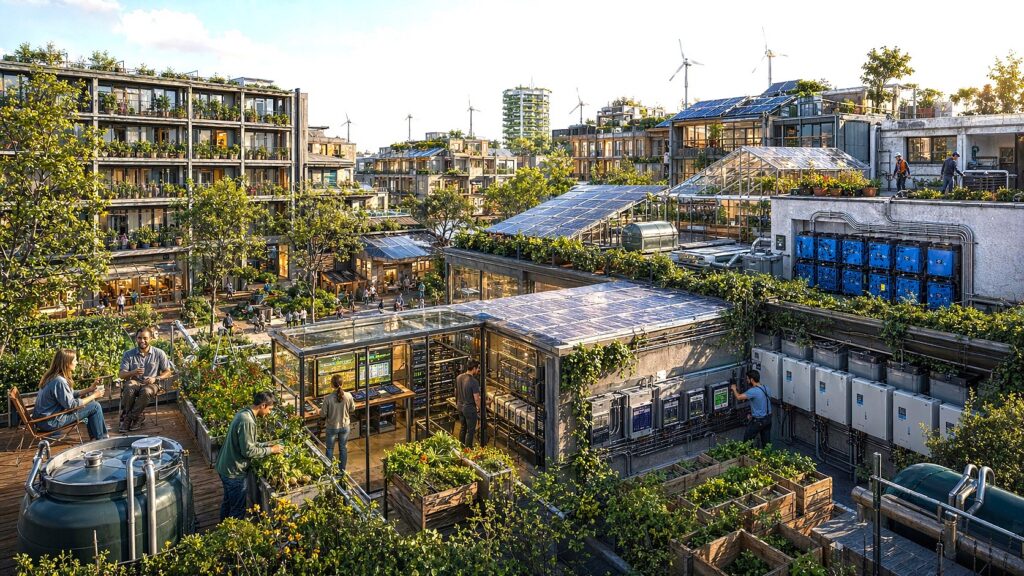
Technically, such a society would depend on a much more advanced and explicit infrastructure of democratic coordination than anything most twentieth century anarchist movements had access to. That is one of the central facts many people still fail to grasp. Modern communications systems, distributed databases, cryptographic verification, open accounting tools, and transparent public ledgers make it far more plausible to coordinate complex societies without a state bureaucracy standing above everyone.
An anarchist federation would not mean every person voting on every trivial matter every day, that would be absurd. It would mean clear layers of decision making, with most matters handled locally, and only genuinely large scale questions routed upward through federated structures. Energy use, transport, supply chains, ecological planning, healthcare capacity, production targets, and emergency coordination could all be made publicly legible through shared systems. Power, or the exercise of power would be made more visible, not less. The point is not to abolish organisation, it is to abolish unaccountable organisation.
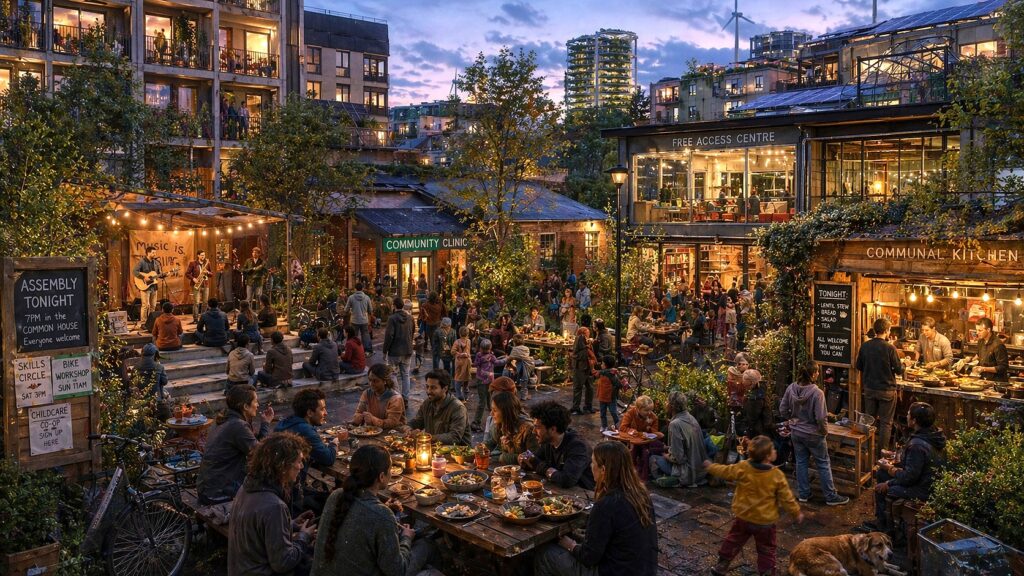
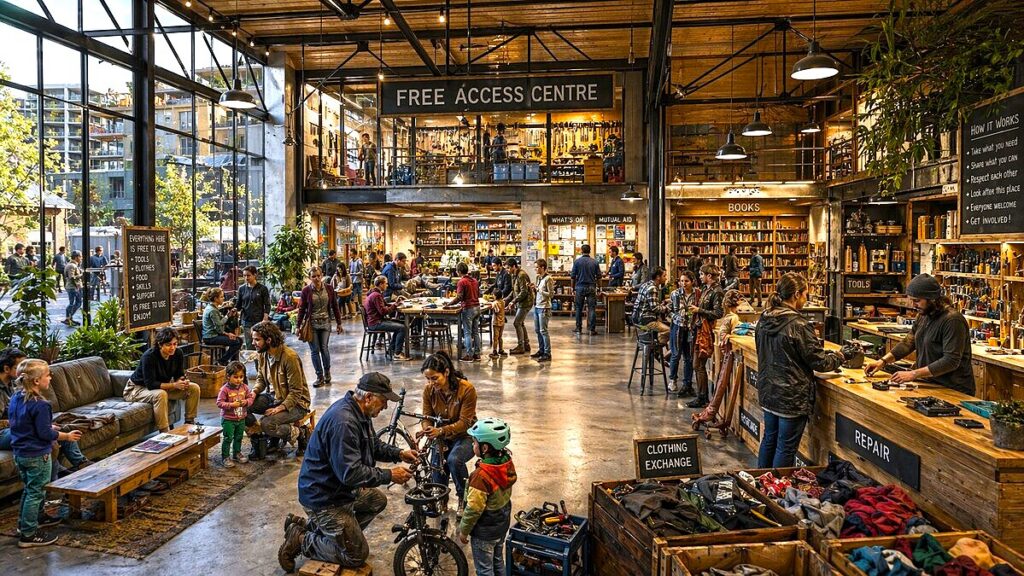
Socially, daily life would likely feel more participatory, more reciprocal, and probably more demanding in some ways than people raised under passive liberal citizenship are used to. People would be expected to take some meaningful part in communal life, not as unpaid martyrdom, but because society would no longer be arranged around spectatorship and delegation upward. Much of what is now handled through market coercion or bureaucratic compulsion would instead be handled through norms of mutual obligation, negotiated responsibility, and communal expectation. Care work would be recognised as socially central rather than treated as invisible background labour. Education would be less about producing obedient labour for employers, and more about cultivating technically capable, socially conscious, self governing human beings. The average person would need a higher level of civic literacy, because freedom at scale requires competence, not just sentiment.
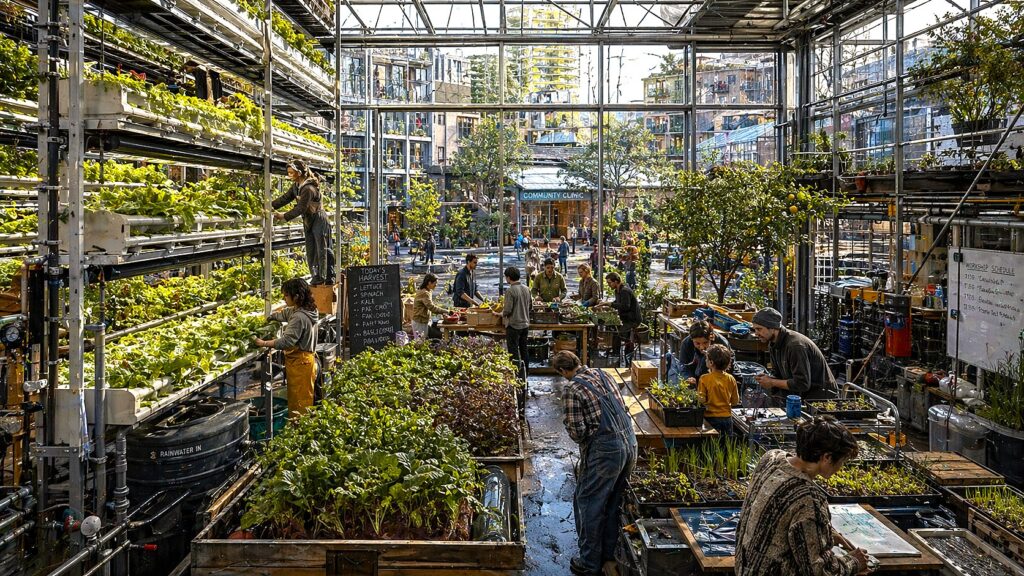
Economically, an anarchist federation society would most likely be plural in form but unified by certain boundaries. Natural resources, infrastructure, and the basic conditions of collective life would need to be held in common or under strong communal stewardship, because allowing these to become private power centres would simply recreate class rule in another costume. Beyond that, production could be organised through cooperatives, municipal associations, trade federations, and distributed manufacturing networks. The decisive question would be whether productive activity remains socially accountable. In practical terms that means workplaces governed by workers and communities, transparent procurement, open standards, interoperable systems, and planning tools that allow coordination without requiring a central state ministry dictating everything from above. In a technologically advanced society this could become far more dynamic than old arguments between market and plan usually allow. The real issue is whether coordination serves collective need, or whether it serves accumulation and domination.
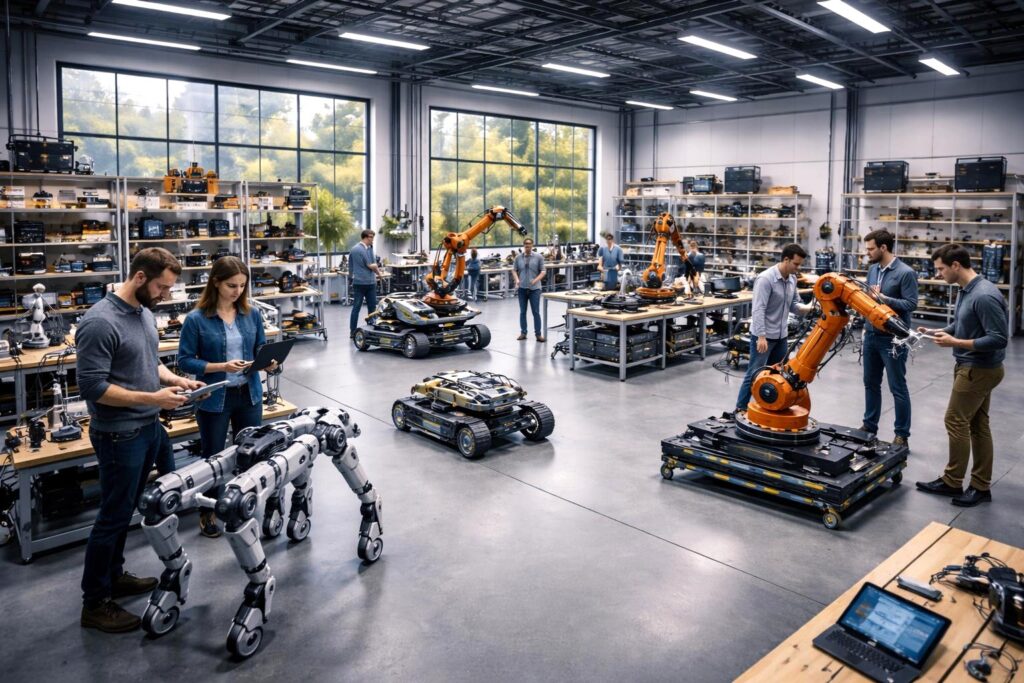
Culturally, an anarchist federation would have to produce a different type of person from the one capitalism and the state currently produce. Today people are trained into competitive isolation, political cynicism, and learned dependence on systems they do not control. A free federation would need a culture of confidence, seriousness, and mutual respect. That does not mean moral perfection, human beings would still be flawed, contradictory, ambitious, and difficult. What changes is the surrounding structure that shapes those traits. Prestige would ideally shift away from wealth, command, and spectacle, and toward contribution, skill, reliability, imagination, and public trust. Art, science, engineering, and philosophy would likely take on a more common and public role, because they would no longer be so tightly subordinated to state strategy or private profit. A society like this would need culture to do real work, it would need stories, rituals, education, and symbols that teach people how to live as free equals in a complex world.
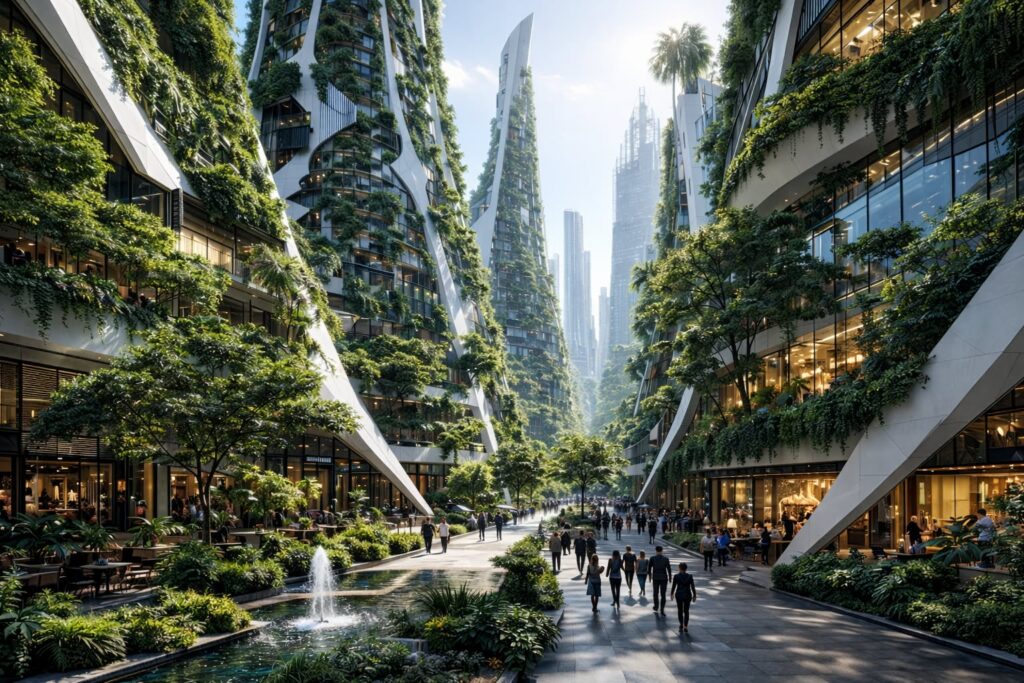
The reason this vision matters is because too much of the left still speaks as though the horizon of politics is either reforming the administrative state or capturing it. That leaves the imagination trapped inside the architecture of domination. An anarchist federation offers a more direct answer, it says society can be highly organised without becoming authoritarian, technically sophisticated without becoming centralised, and socially coherent without requiring a ruling class.
The challenge is not whether such a society can be imagined, it already can. The challenge is building the institutions, habits, and technical systems that make it materially credible. That is where anarchism now has to become more concrete, less purely oppositional, and more capable of presenting itself as a real civilisational design.
___
Written and illustrated by Ash Carr