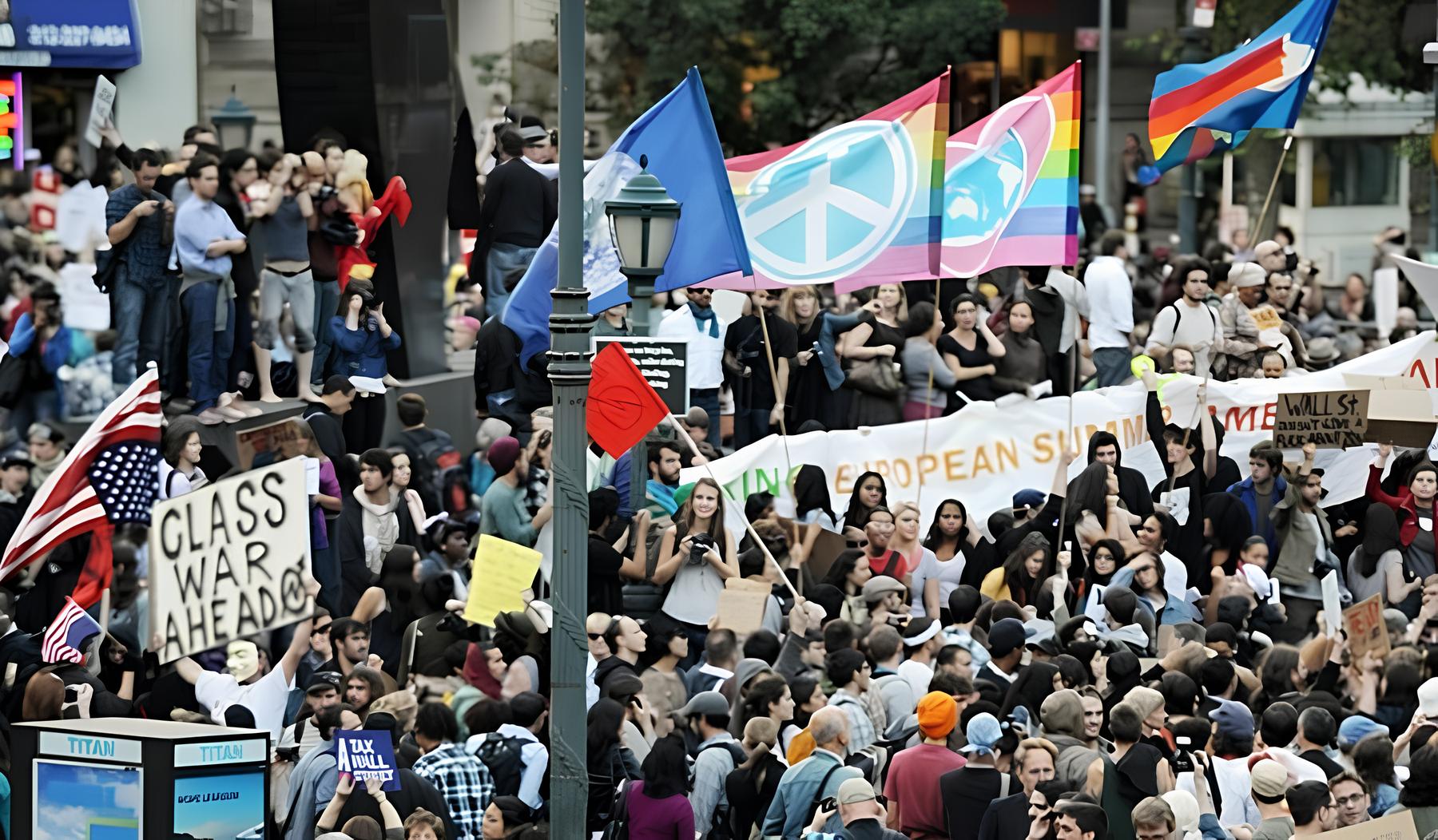
Not possessing prophetic visions, it will be difficult to predict what forms Anarchism will take in the 21st century, as this depends on the geographical, cultural, political, social, and temporal context. Undoubtedly, struggles for the expansion of spaces of freedom, equality in differences, and solidarity—individual and collective—(including and especially among strangers) will always constitute the axes around which the specifically appropriate forms and modes of conflict will revolve, depending on the context of anarchism, or rather anarchisms.
I will briefly focus on three global scenarios, not alternatives, but rather intersecting yet not hierarchically descending, within which twenty-first-century anarchists will strive to identify the best forms of action. There is clearly a fourth, linked to gender issues, but other contributions will provide us with general and specific features and contextual objectives of struggle. Of course, these scenarios do not exclude or downplay the more common, more everyday, and perhaps more local spheres of struggle, whose importance is crucial to our rooting in the territories where we live. However, in my opinion, global scenarios will also “over-determine” local or traditional conflicts, changing their forms and modalities and imparting, in my view, significant twists.
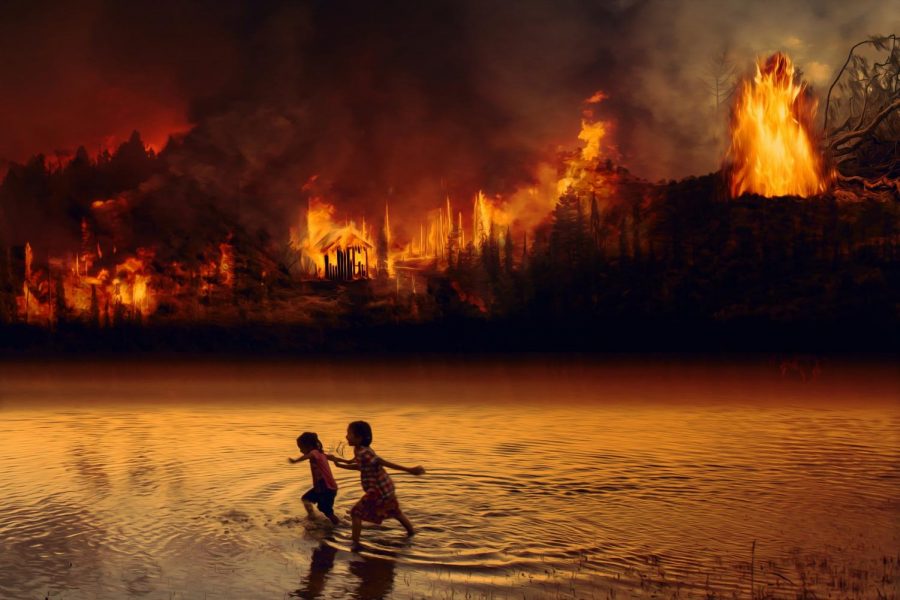
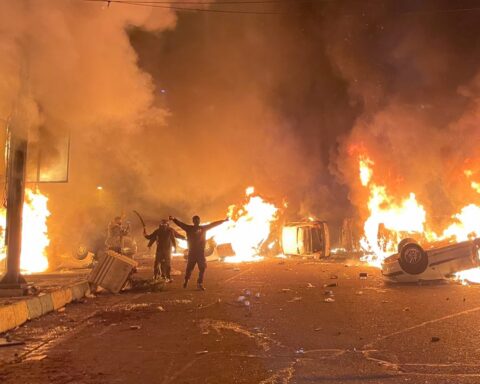
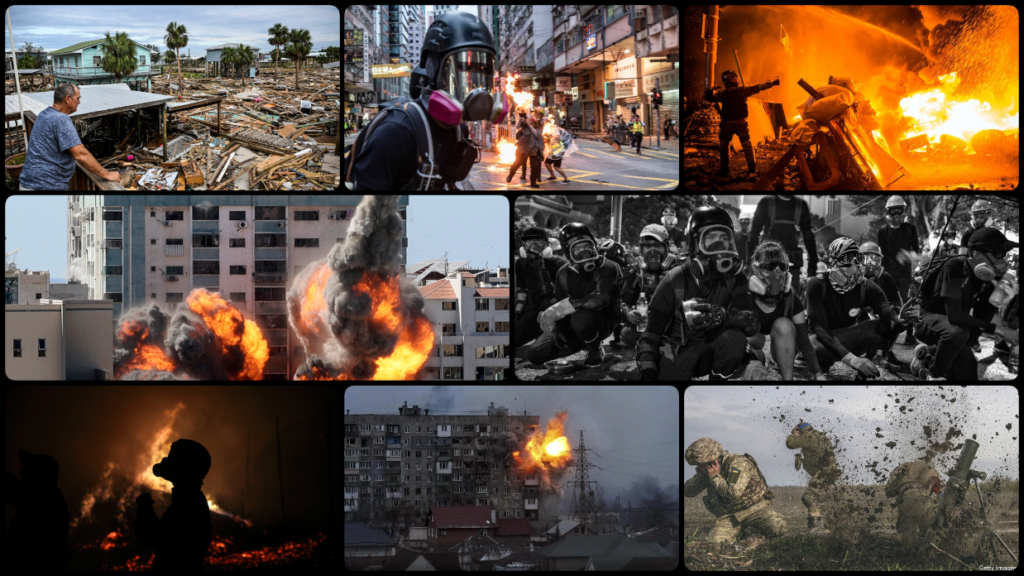
The first is climate change, which alters the planet’s living conditions, jeopardising the survival of its ecosystems, with the risk of demographic conflicts, migratory movements, and the violent exploitation of resources (fertile land, water), etc. The nomadism typical (and even original) of the human species cannot be stopped by state or “natural” borders, such will be the pressure of migration in search of better living conditions. If the pace of exploitation of humanity’s resources (land and water, first and foremost) is not reversed, increasingly bloody conflicts will erupt, considering that half the world’s population is of working age, and a quarter of them live in rural areas, where 80% of global poverty exists. This is without considering the informal, obscure, and invisible work that escapes ILO or World Bank statistics. In these conditions, which it would be unworthy to call “emergency”—so endemic and reiterated are they by the dynamics of power and inequality on a global scale—the approach to problems can only hinge on bottom-up self-organisation, to mitigate the destructive effects of current climate policies pursued by unscrupulous state and business elites. It is from this practice of solidarity and self-organisation that an anarchist ethos is forged: a training ground for creativity in horizontal problem-solving that will gradually extend to the complete reorganisation of social life according to libertarian practices and attitudes. It is therefore time for the livability of and on our planet to enter the political agenda of social anarchism with determination, since we cannot count on being among the elite who will migrate to the Moon or Mars following Elon Musk & Co.
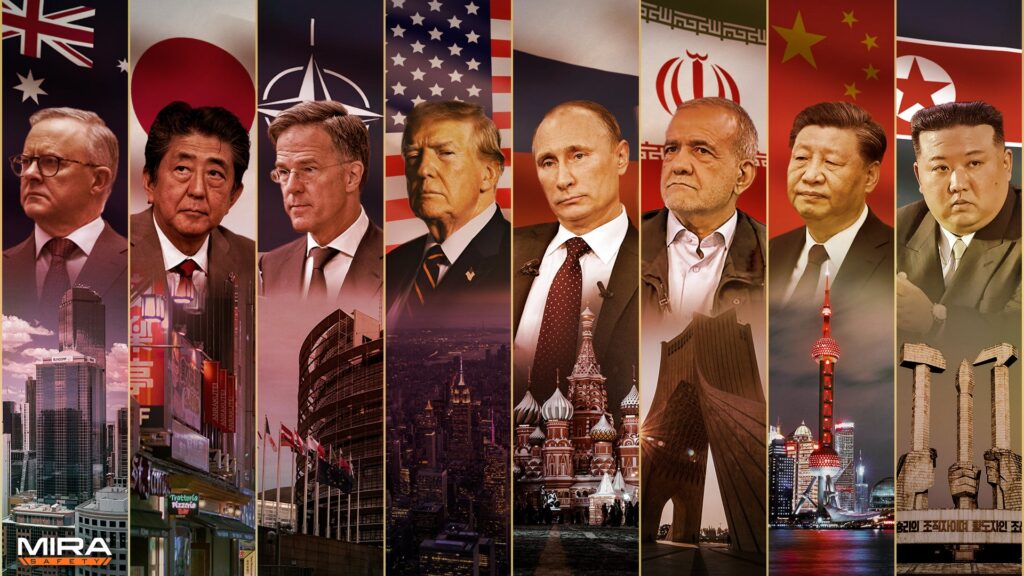
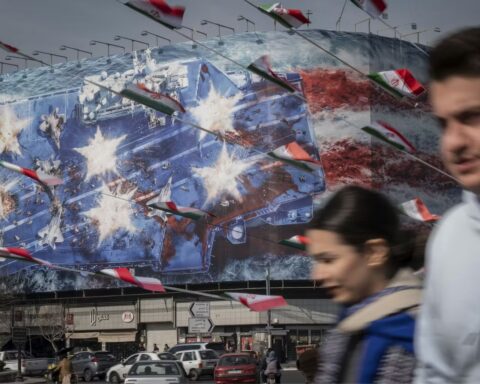
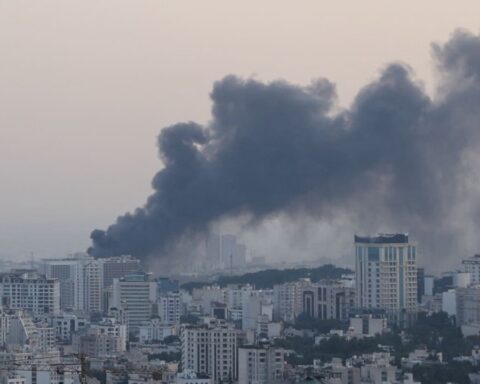
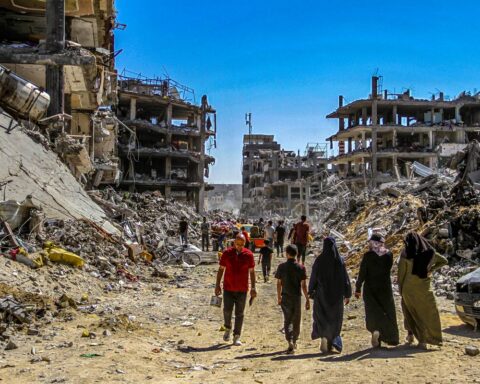
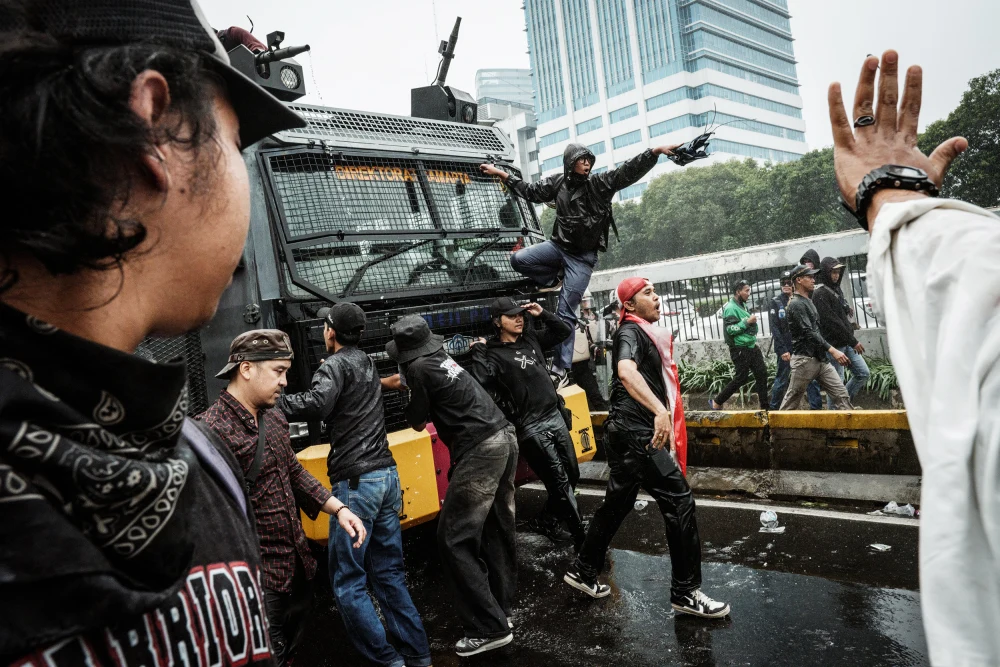
The second global scenario is the recourse to war as a challenge to global hegemony in the 21st century, with the risks of nuclear annihilation and mass extermination. Already at the close of the last millennium, many American scholars were questioning which would be the hegemonic power in the second half of the 21st century, seeing China and its allies (including Russia) as the most likely competitor against which to pursue policies of containment and aggressive counterbalancing. It’s not difficult to imagine the same in China, only that analyses and studies are not easily accessible, let alone legible. After all, history has never seen smooth and peaceful successions of global hegemony—quite the opposite. It is no coincidence, then, and not just today, that we are witnessing a growing militarisation of societies, which already directly results in the disintegration of hard-won “rights,” even without losing the pretence of (pseudo)democratic representation, with the reduction of constitutional states to electoral-parliamentary autocracies. Freedom of action, speech, expression, the ability to shape one’s life as one sees fit, and the ability to adopt non-conformist customs and traditions are all practices wrested with difficulty from previous generations and, in some cases, from the living. Whether they are constitutionalised or translated into legal norms is of little importance: positive law grants and takes away based on more or less strengthened parliamentary majorities. The path will make the difference.
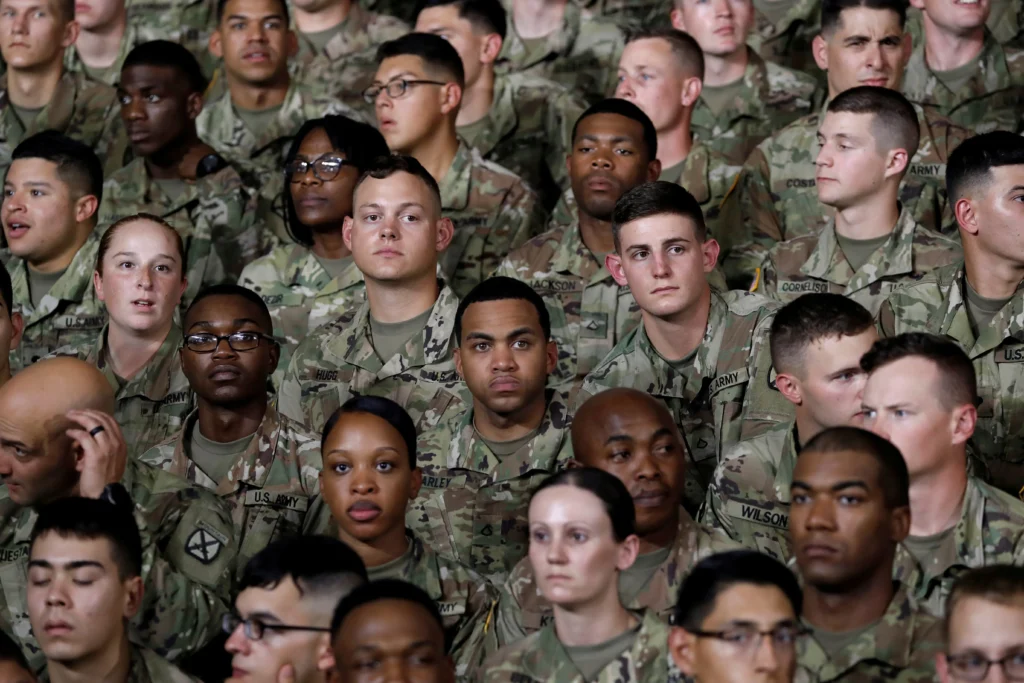
By militarisation, we must not and cannot merely evoke the visible presence of signs of armed power (army, police forces, armaments, war industries, etc.). We must address the internalisation of a warmongering and bellicose culture, which arms consciences from a very young age, pressuring them with violent models for solving everyday problems and overcoming the obstacles that life throws at us at every step. Cultural models in which violence is exalted because it is simulated—game over, and we begin again—life as a video game in which you kill and are killed, but then you rise again in a limitless and infinite fight. It is no coincidence that entertainment video games fuel and are in turn fueled by military simulations, by autonomous and automatic weaponry that transform war in its forms, anaesthetising its wounds and physical traumas and transferring them to a psychic sphere. This is at least for those who attack from a position of technological supremacy, not for those who suffer its effects, as every victim of war knows.
We must not underestimate or minimise the hybrid militarisation that insinuates itself from cyberspace into our pockets via digital devices. These devices are not only the source of capitalist surveillance for commercial marketing purposes, but also, and above all, the control exerted by governments and private companies, which now possess an infinite amount of knowledge related to our tastes, our actions, our physical and virtual experiences, which are transformed into numerical data easily processed by algorithms, resulting in a unique mass profiling —and this may not sound contradictory—that is useful for predicting and even guiding our future behaviour.
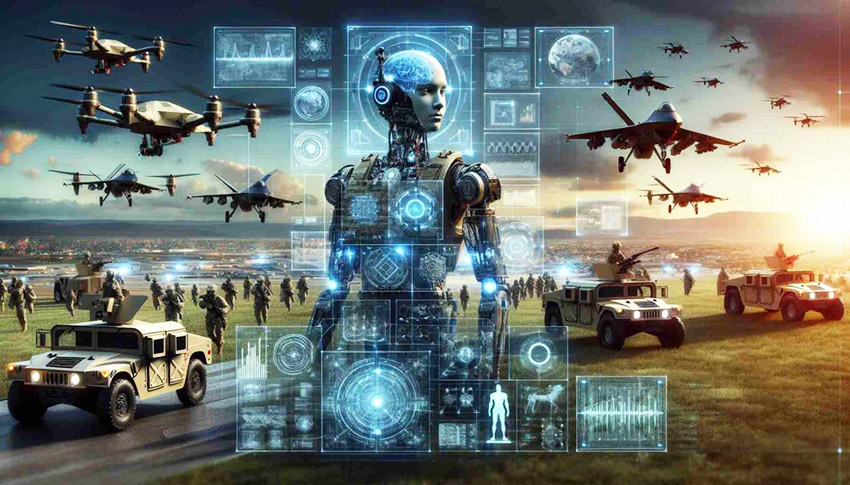
Which brings us to the third global scenario: the advent of digital technologies, and AI specifically, which is literally revolutionising the way of life in our societies, not only in the areas of living labour, which can be replaced by robots and various machines, nor only in the ways in which “political” opinions are channelled during elections. The split between the corporeal, “real” sphere and the “virtual” dimension, whose effects are just as real, intertwine, delineating the formation of a subjectivity very different from the one we have become accustomed to on the material terrain of social classes and the balance of power. In an era of extreme individualism, advocated and encouraged by the neoliberal policies of recent decades, the collective sphere has shattered to be “resurrected” in the relationship between the self and the screen of my digital device; Physical sociality has in some ways evaporated in favour of a virtual “sociality,” managed by proprietary platforms, within which a fiction of communication and dialogue is enacted with just as many other selves, each connected via their own screen. The fiction of having a following of followers, of having tons of friends: in effect, we are unknowingly immersed in a bubble, within which my opinions resonate, becoming convictions as soon as I see them confirmed by others who think exactly like me. The end of the pluralism of ideas, excluded from echo chambers, the end of the emergence of dissent, the end of dialectical confrontation between different people. And when these virtual expulsions resurface in the space-time of corporeal existence, being unaccustomed of relating to different others turns into gratuitous, senseless, unexpected violence, except as a “defensive” form of a psychology devoid of real sociality, precisely because it is imbued with “social” surrogates.
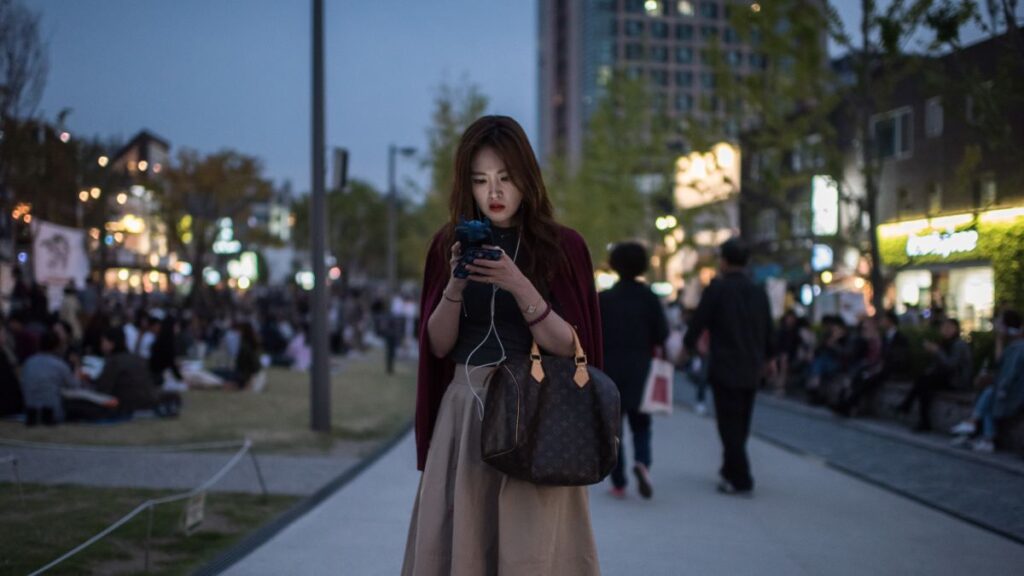
Neoliberal individualism, further translocated into the digital universe, produces conformist individuals, diversified replicas of a machine matrix whose limits and technological advances we have likely become prostheses, experimentally testing. We think we are the ones using the devices, but perhaps it’s precisely the opposite. Outside of any community of reference, disoriented and tossed from one platform to another, what kind of subjectivity will ultimately consolidate? What community could give rise to the communism of goods and services? What critical and diverse subject could emerge in the increasingly pressing relationship between the human and the machine?
The new ways in which we feel we are subjects of ourselves, aware and critical of reality, push us to deepen and diversify our analytical tools, to seize new opportunities for “social(i)” connections from which we can reconstitute a strong destituent community capable of imagining and therefore experimenting with collective utopias organized around the pivot of the absence of power.
Written by Salvo Vaccaro for Umanità Nova (Italy)
Machine Translation in English- edited by Blade Runner.
Summary of a presentation at the Carrara Conference (11-12 October 2025) on occasion of the 80th anniversary of the Italian Anarchist Federation.
SOURCE: https://freedomnews.org.uk/2025/12/17/21st-century-anarchism/
READ MORE